



Toward a 100-year company,
a story of a challenge that began with a single sheet of aluminum foil.
In 1931, when aluminium was still a new material,
we were born.
For over 90 years since then,
we have continued to bet on the potential of this shining metal.
The path that Toyo Aluminium has walked
is also the history of Japanese industry itself.
From aluminum foil, which is essential to daily life,
to semiconductors, and then to space—
our challenge does not stop at the status quo,
but connects to the next era.
Here, we introduce our journey and the future we aim for.
Startup phase
Chapter.1
Origin
A sense of mission to support Japanese industry is
the origin of Toyo Aluminium
The story of Toyo Aluminium
overlaps with the history of Japan's industrial development.
Compared to other metals like iron,
Aluminium has a short history since its discovery,
and while it was attracting attention as a new material,
there were many barriers to domestic production.
The choice made by our founders, who saw a future
in a material that was unfamiliar to citizens at the time,
became the starting point for nearly 100 years of challenges.
The founding period, when we bet on the potential of aluminum
-
1931
April
"Sumitomo aluminium" is born
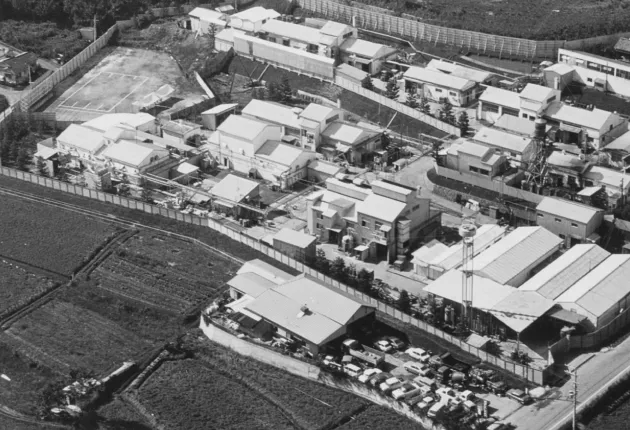
through a 50-50 joint venture between Alcan and Sumitomo.The "Sumitomo aluminium Co., Ltd.," established through a 50-50 joint venture between the Canadian company Alcan and Sumitomo, became the origin of Toyo Aluminium. The fact that both parties agreed on a 50% investment ratio and that management was entrusted to the Sumitomo side was a sensational event for Japan at the time. The annual production capacity was 2,640 tons of sheet and 270 tons of foil, boasting the top level in the country.
-
1932
July
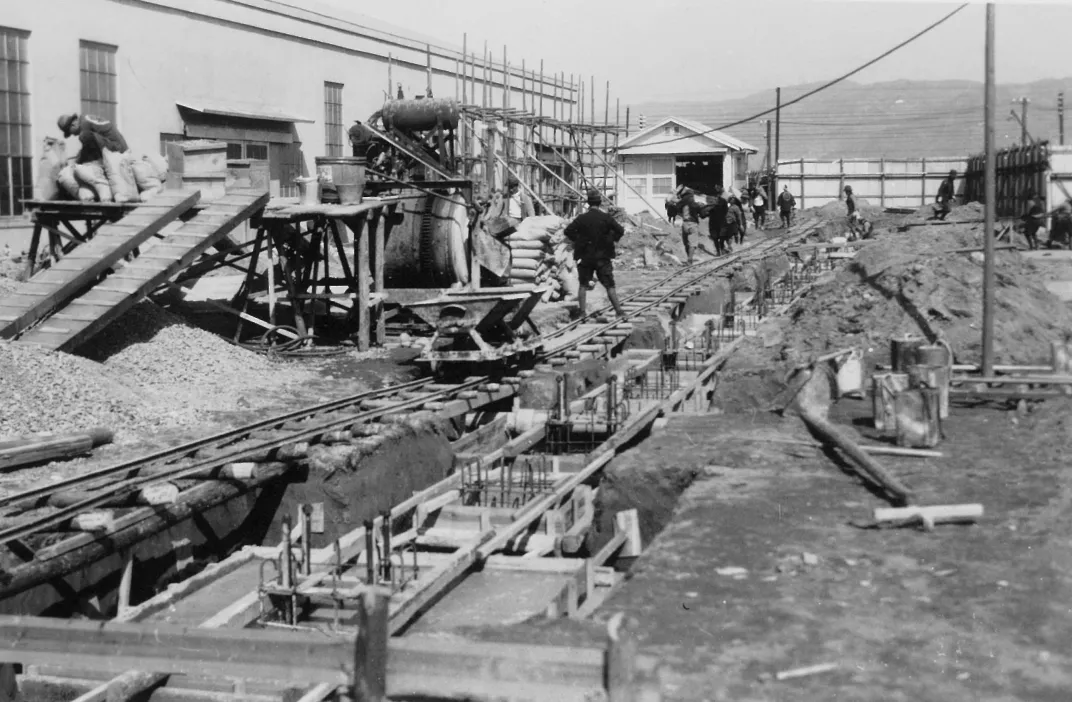
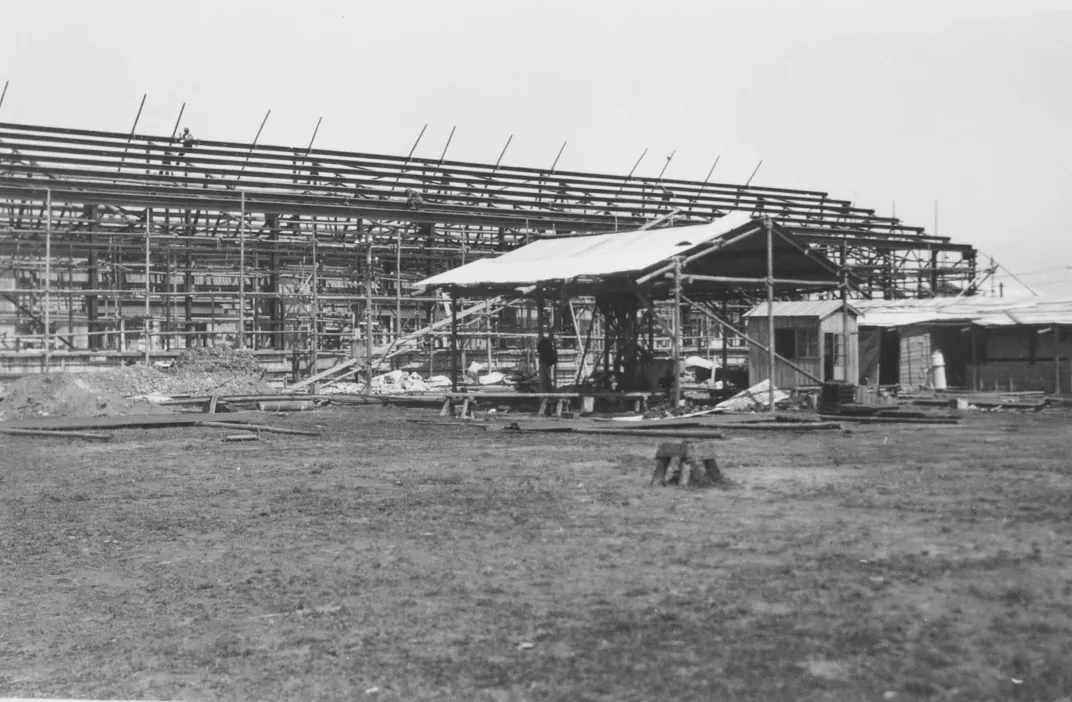
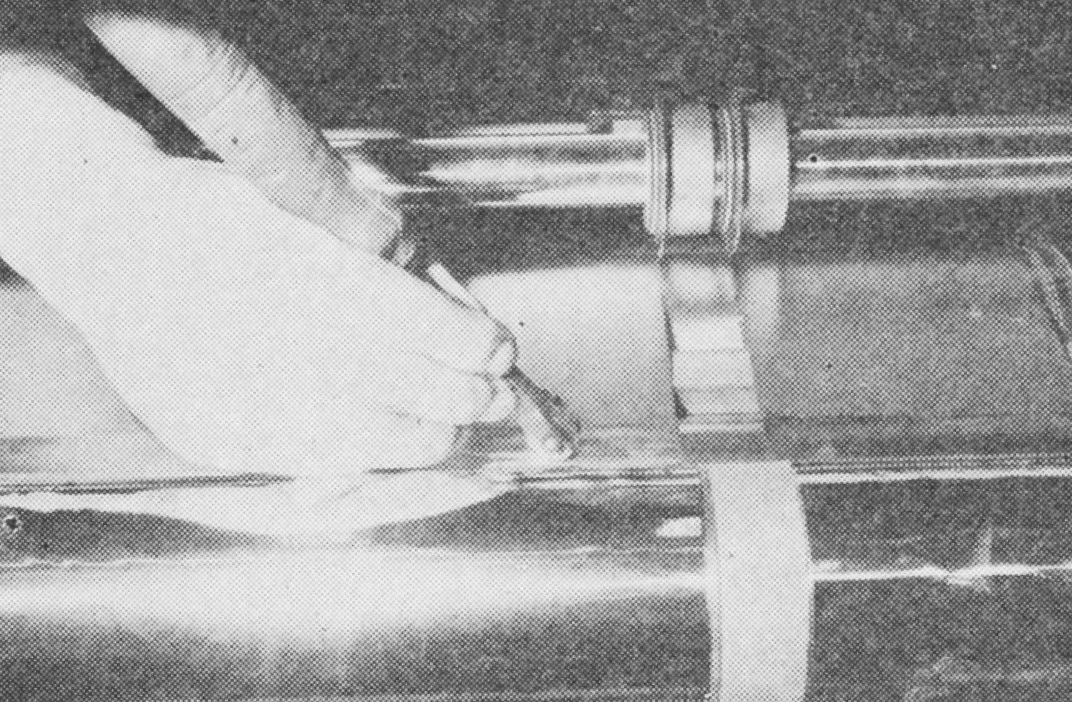
Beyond the days of prototyping,
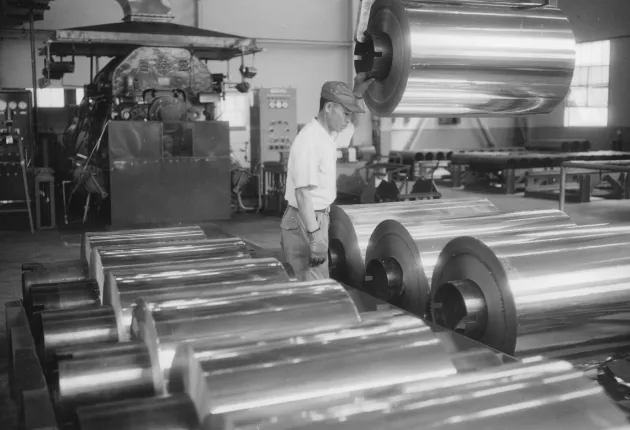
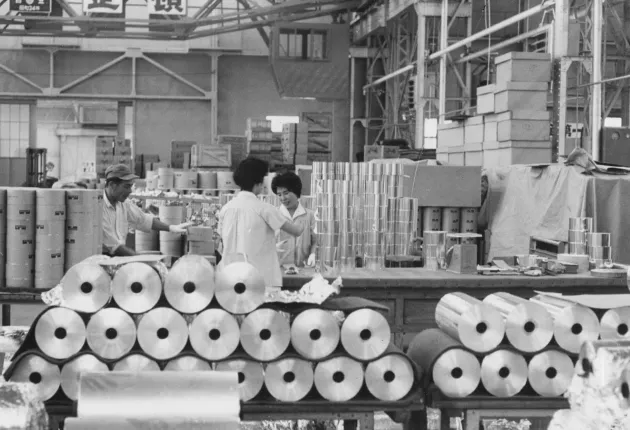
the first product, foil for printing, is completed.After many twists and turns, Sumitomo Aluminum finally realized its founding, but even with state-of-the-art equipment, stable production of aluminum foil was difficult, and days of prototyping continued for a while. As a result of the efforts made by employees day and night, the product was completed about a year after the company was launched. As the long-awaited first product, foil for printing (8μ thick, 310mm wide) was completed and delivered to Nakajima Metal foil Powder Industry Co., Ltd.
Leaps forward during wartime,
a fresh start and technological innovation after the war
-
1936
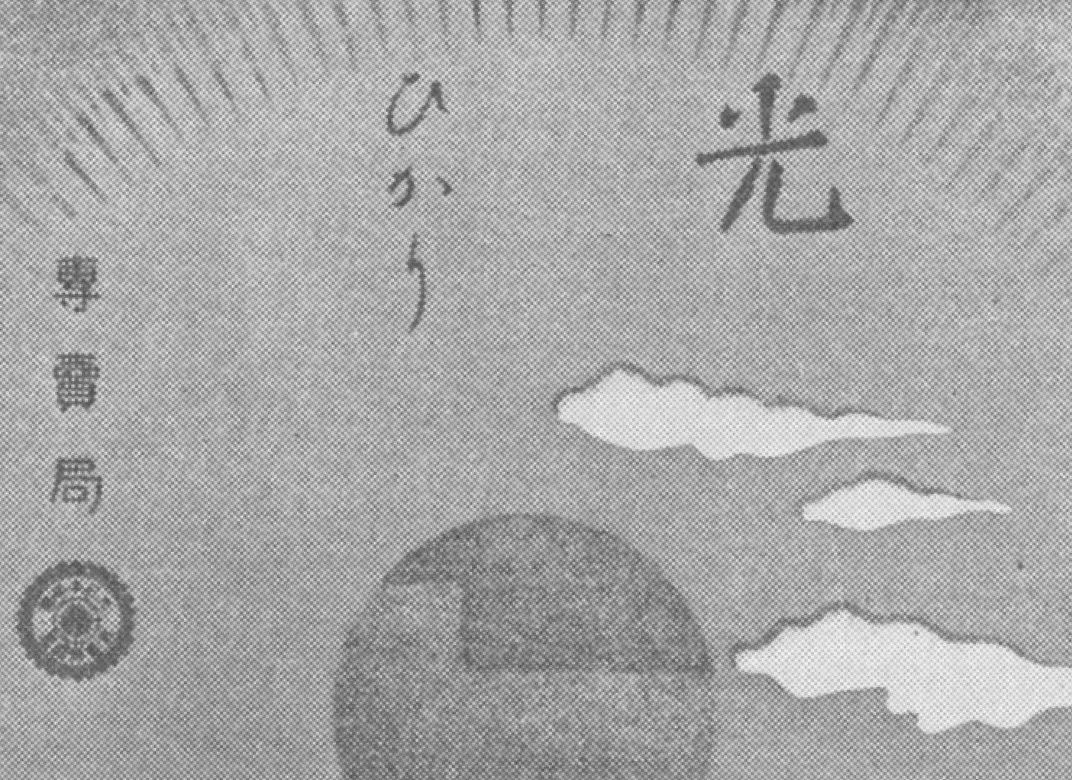
A leap forward with cigarette packaging foil,
and then the ordeal of wartime control.As demand for foil for cigarette packaging grew, Sumitomo Aluminum's aluminum foil was adopted for the newly launched "Hikari" cigarettes, becoming a huge hit. To increase production capacity, the company decided to introduce equipment such as a "three-high rolling mill," "electric annealing furnace," and "roll grinding machine," but material procurement became difficult due to economic controls during the war. Most of the foil for cigarette packaging was replaced by wax paper, putting the company in a difficult position.
-
1950
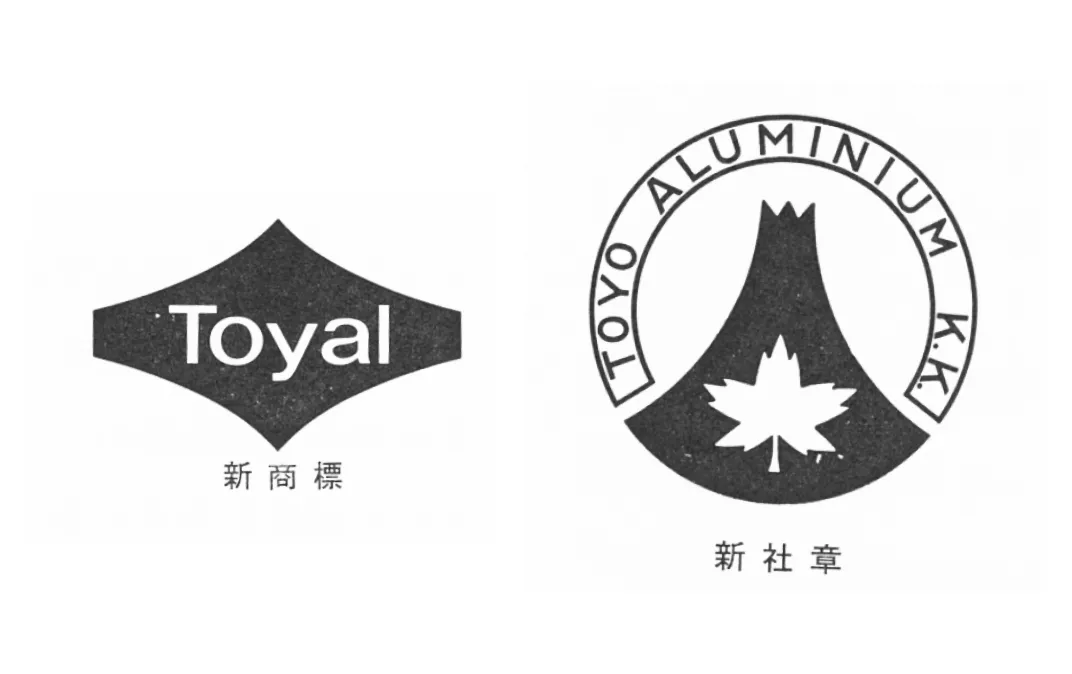
Through war damage and the dissolution of the zaibatsu,
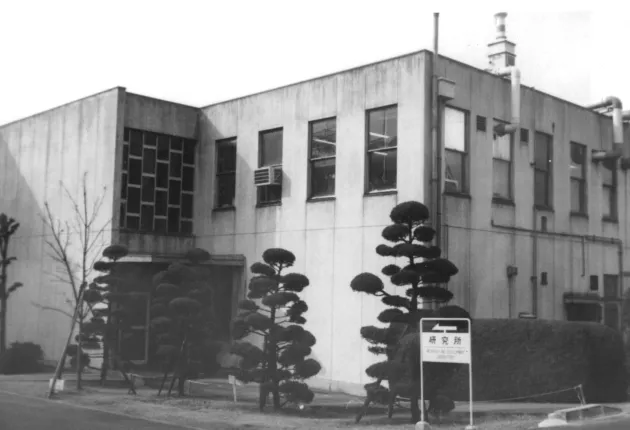
to "Toyo Aluminium"In 1937, Sumitomo Aluminum had incorporated in line with national policy. During the war, it was placed under government control as a munitions company, and some of its factories were hit by U.S. air raids. In 1950, due to the dissolution of the zaibatsu by GHQ, the structure and company name were changed, and it made a fresh start as "Toyo Aluminium K.K.." The company emblem was also renewed from the Igeta mark, synonymous with the Sumitomo zaibatsu, to a design modeled after Mount Fuji and a maple leaf, becoming a banner symbolizing the new beginning.
-
1952
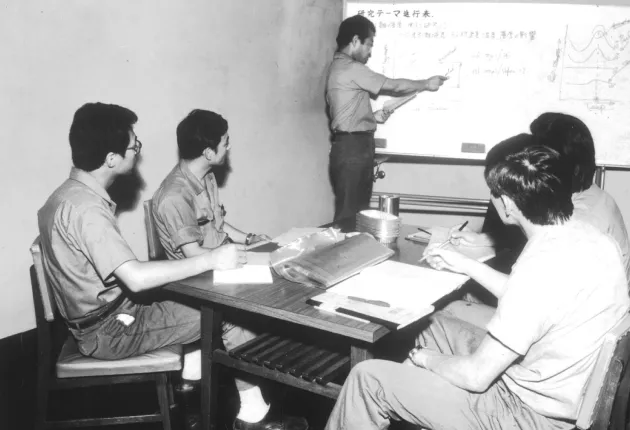
Seeking a path forward in new product development
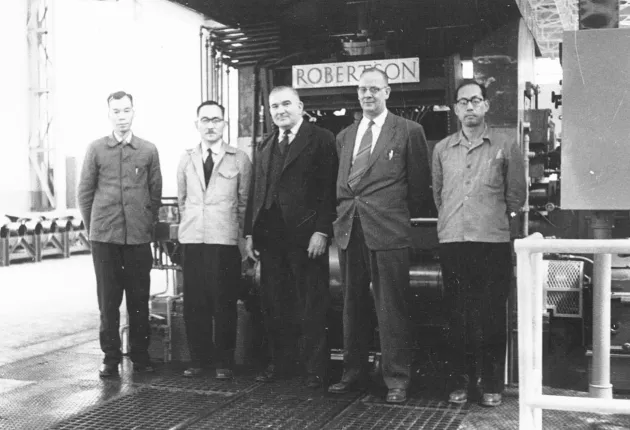
securing technical assistance from CanadaWith the prospect of rising demand for aluminum foil, companies in the Japanese aluminum rolling industry began entering the market one after another. To gain an edge over rivals, the company's internal motivation for improving technical capabilities and developing new products increased. During this period, Toyo Aluminium launched a succession of new products, such as insulation materials, construction materials, and agricultural supplies, through joint development with customers. Furthermore, in January 1952, the company signed a technical assistance agreement with aluminium Laboratories of Canada. Building this relationship became a solid foundation for future development.
-
1955
January
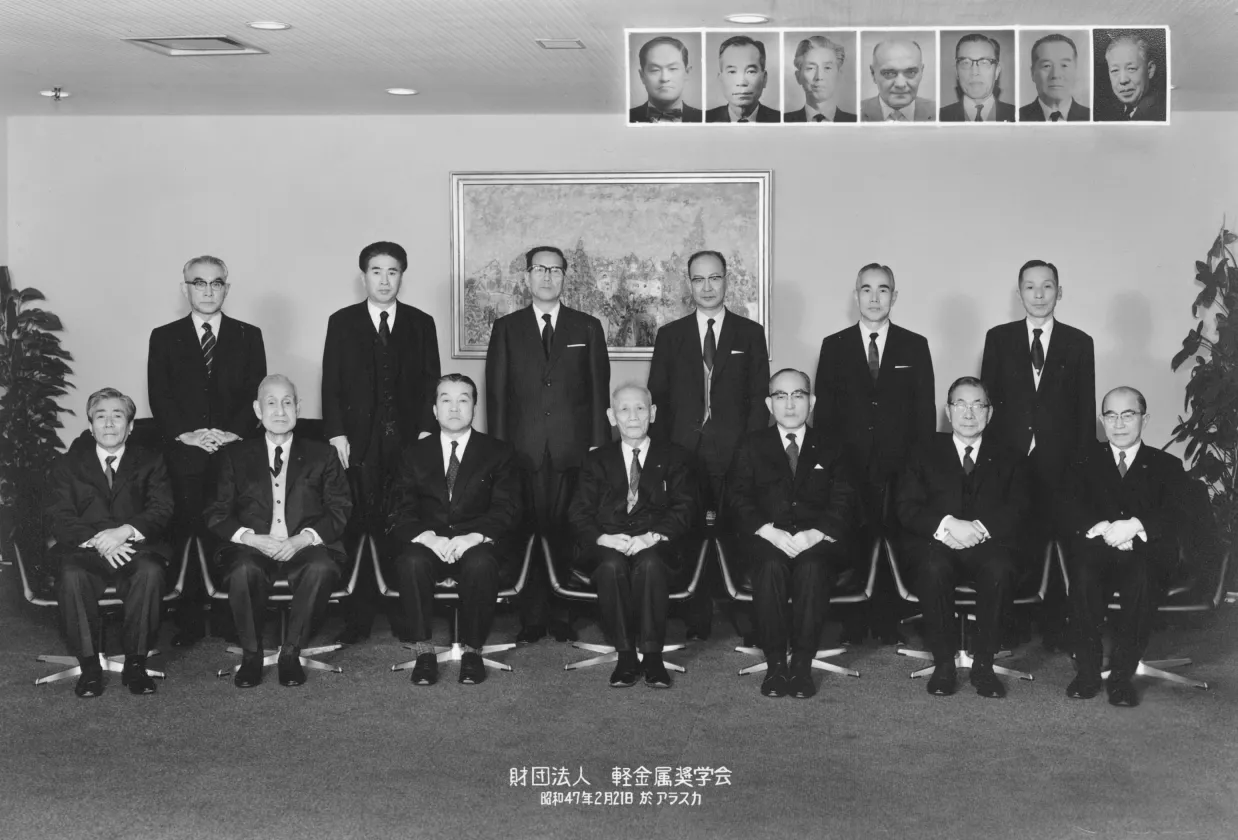
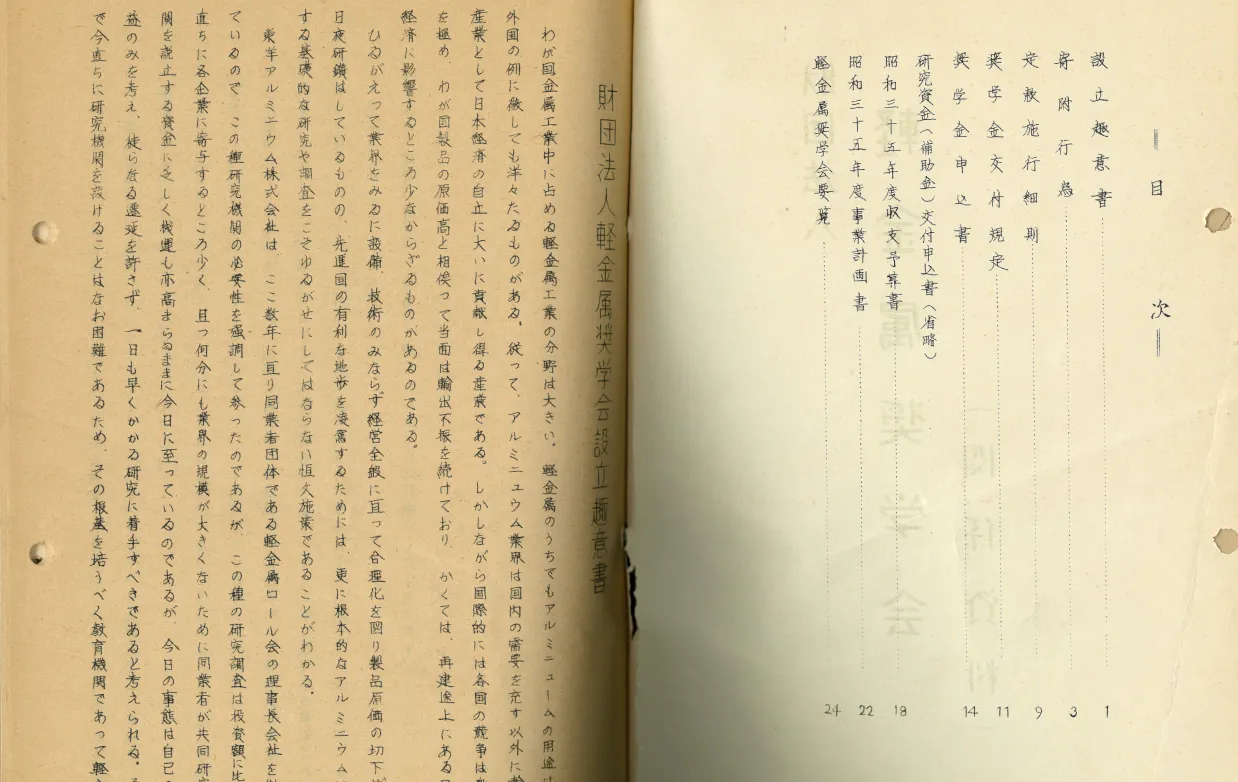
Aiming to be a technology-based nation,
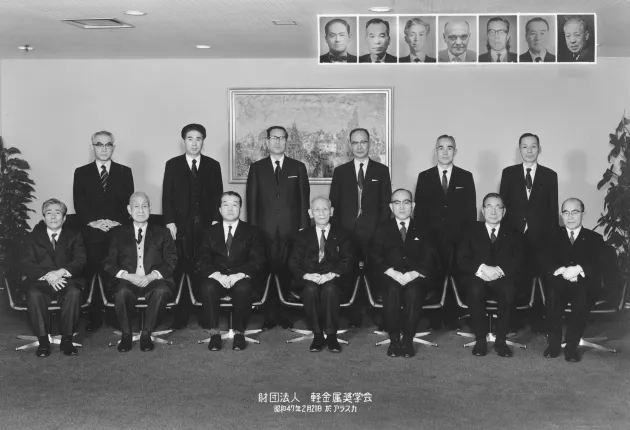
the "Light Metal Scholarship Foundation" was establishedAs part of the 25th anniversary commemorative projects of Toyo Aluminium, and with the cooperation of its shareholder Alcan, the company established the Light Metal Educational Foundation. This organization was created to promote basic research and human resource development through industry-academia collaboration, with the goal of raising the level of technology, which lagged behind that of developed countries. The first Executive Officer president was Yukichi Oyamada, Representative Director of Toyo Aluminium, who contributed to the progress and development of the light metal industry and light metal engineering.
DNA of TOYAL