Toyo Aluminium
Innovation
Innovation
“Brazing filler metal” that ensures
invisible joining.
The challenge of pursuing “reducing defects”
~Apply only the amount you need
"Toyal Hyper Braze"~
"Joining," which connects metals together, is an extremely important process that determines product quality. However, much of it takes place inside a furnace, making it an "invisible technology" that cannot be visually confirmed. The paste-type brazing filler metal "Toyal Hyper Braze" developed by Toyo Aluminium has realized stabilization of joint quality by accurately supplying the necessary amount only to the necessary locations. Behind this were the image of past products having a "poor appearance," a lack of understanding of customer needs, and countless prototypes and failures.How was this technology, which come to be known as a“magic paste”for reducing defects,born? We trace the development story behind the pursuit of reliable quality in a process hidden from view.
01/05
"Joining Technology" that supports from behind the scenes
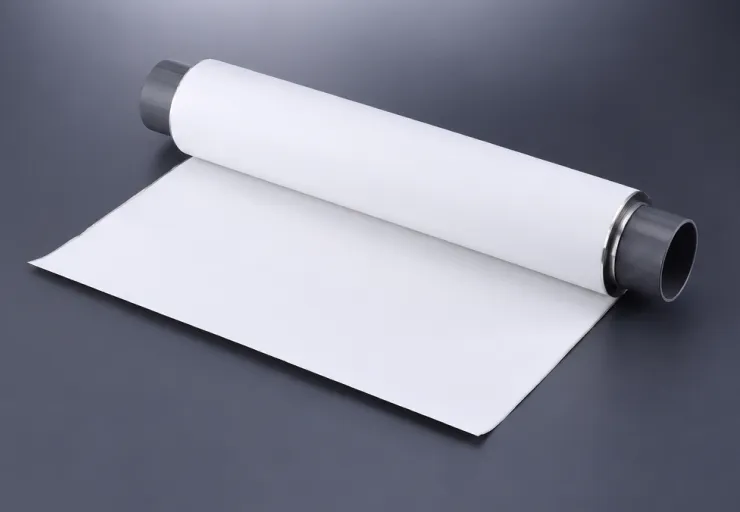
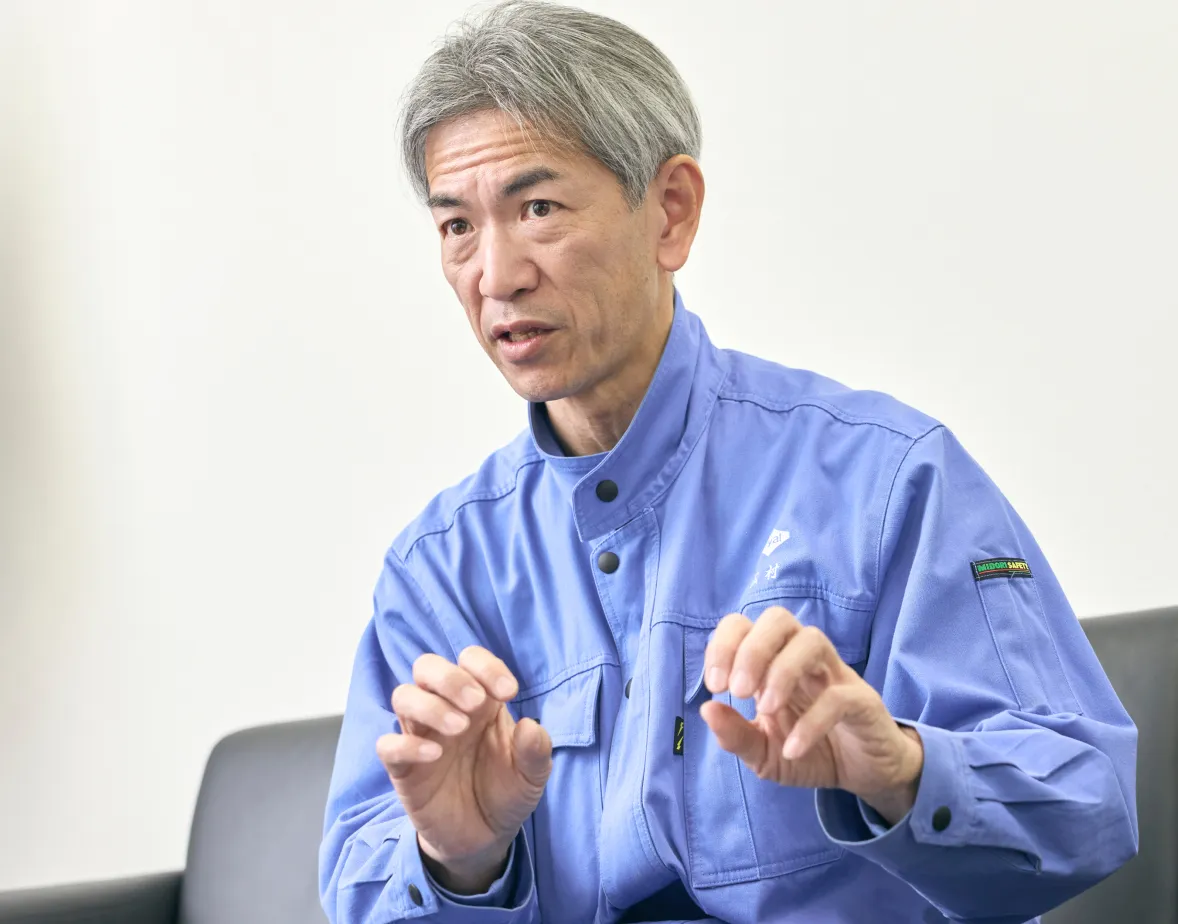
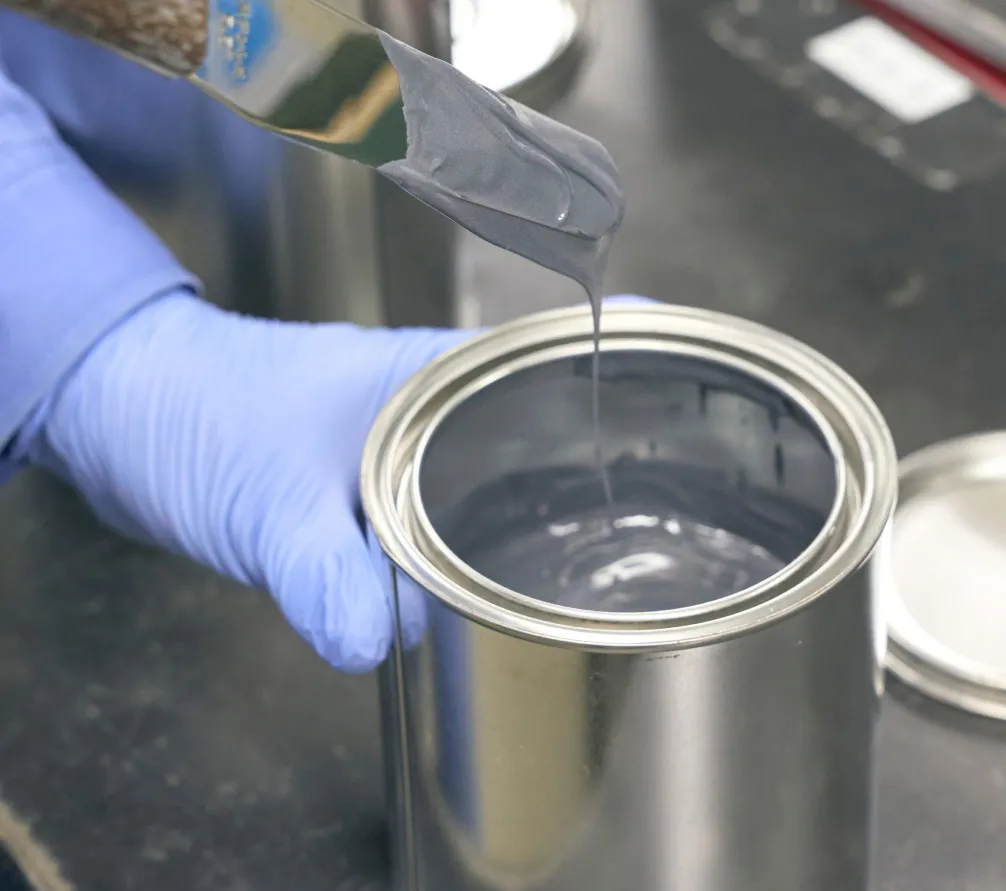
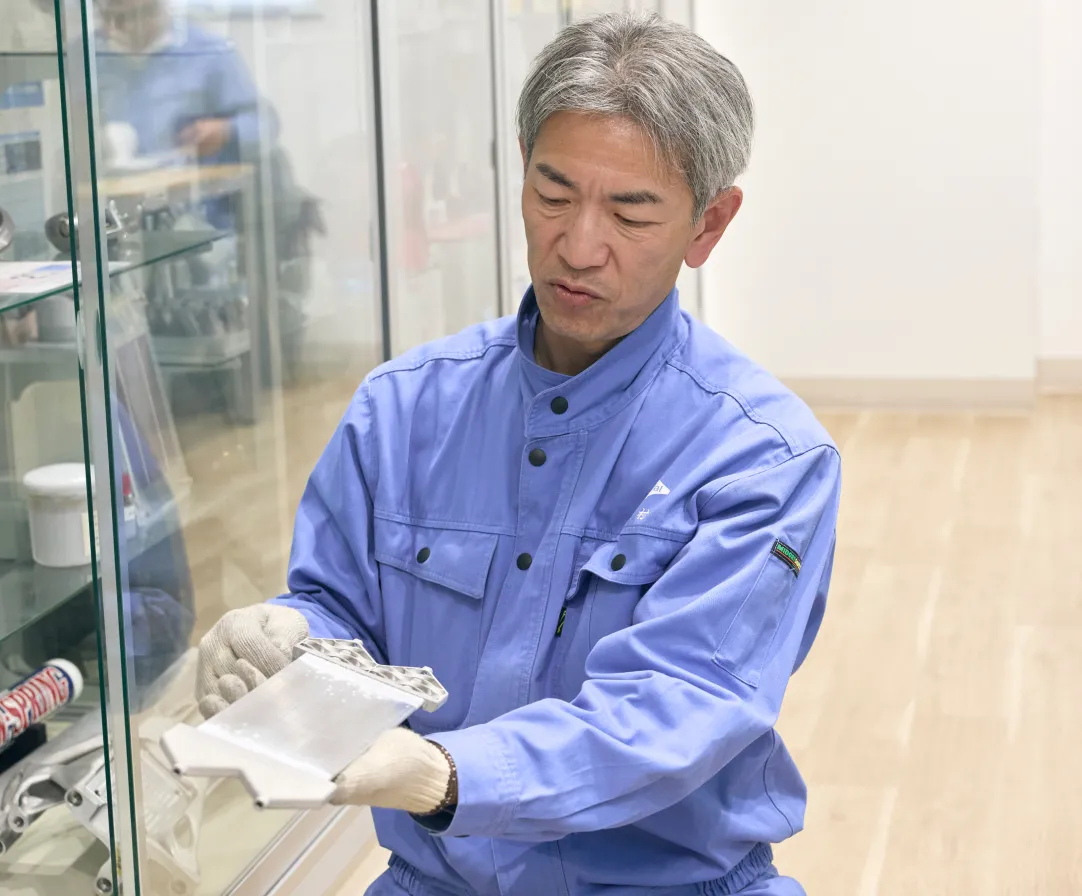
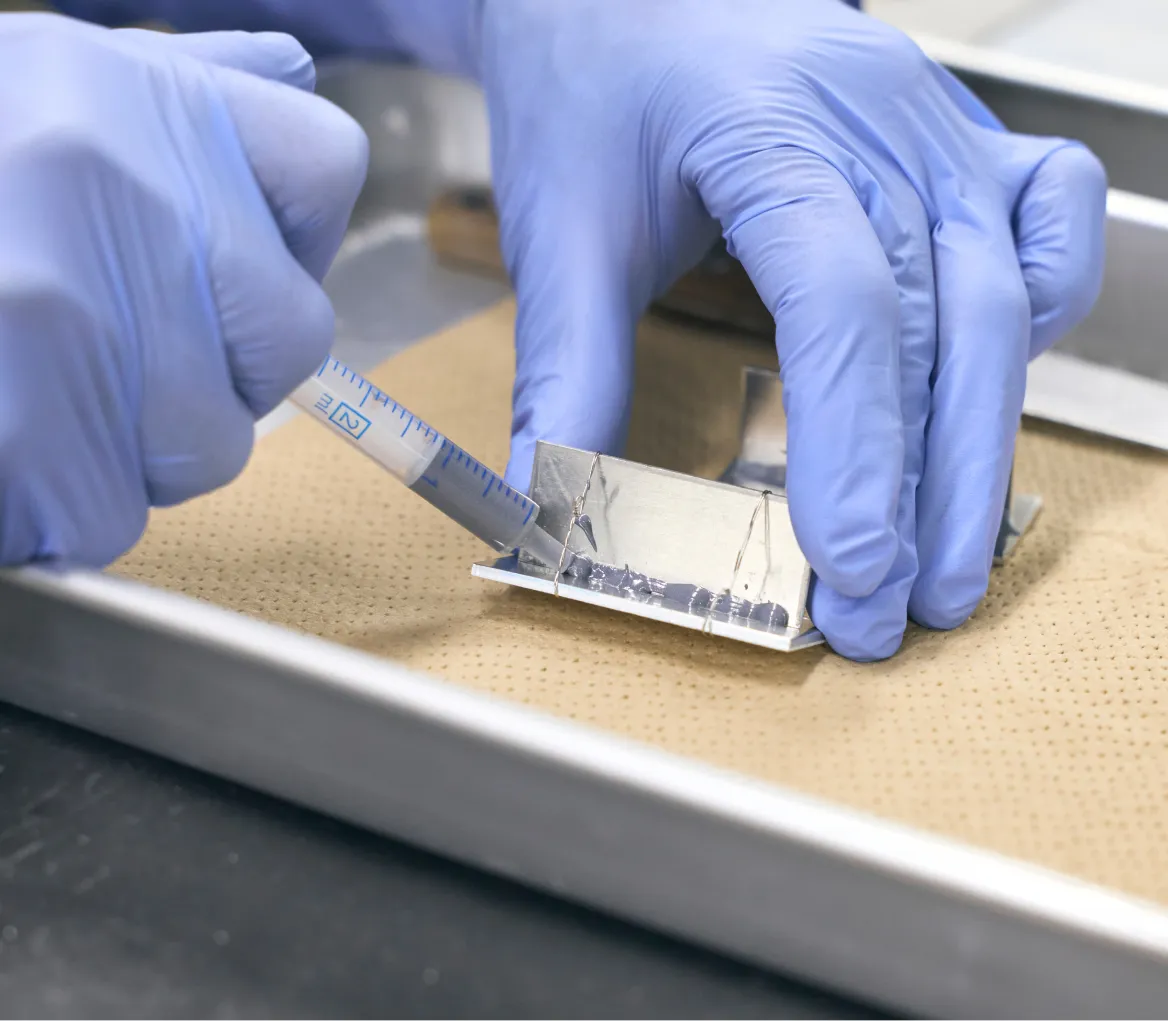
Car air conditioners, commercial air conditioners, and automotive engine parts. Many products around us are made by precisely joining metals together internally. The key to this is a technology called "brazing." This method, which joins materials by melting the filler metal without melting the base material, can achieve both strength and precision, but the process is difficult to manage. "Toyal Hyper Braze" is a paste-type brazing filler metal based on aluminium alloy powder. Unlike brazing sheets (plate materials), which are mainstream for aluminum brazing, its greatest feature is that it can be applied only to the necessary locations in the necessary amounts. "Because it can be applied with pinpoint precision, it minimizes material waste and helps ensure consistent joint quality.," explains Mr. M, who has been involved in the development of brazing filler metals at the Shiga factory for many years. This characteristic suppresses variations in joint quality, reduces material loss, and even leads to the automation of processes. It is a material that transforms invisible joining processes into something more reliable.
02/05
Development that began with "not being used"
However, the start of that development was by no means smooth. Originally, the factory mainly produced aluminium powder, and the very form of paste brazing filler metal was uncharted territory. "To be honest, at first, I didn't even know what was being asked of us," recalls Mr. M. Furthermore, conventional paste brazing filler metals were plagued by the reputation that "the appearance after brazing is unsightly." This image was so strong that they were often not even considered by customers.
"Even when we received technical consultations, we did not fully understand the background issues or the constraints of the site." So, the team changed their approach. First, they had to get to know the customers. They started by visiting the sites and relearning the brazing conditions and evaluation methods from scratch. "Before creating the technology, we needed to understand how it was used." That accumulation became the foundation of the development.
03/05
Through invisible processes and countless prototypes
The difficulty of the brazing process lies in its "invisibility." Temperature, time, and atmosphere all progress in a complex interplay, yet it is impossible to directly observe the inside of the furnace. You look at the results, infer the causes, and adjust the conditions. It is a process of repetition. The development team gathered information through interviews with customers, factory visits, and participation in industry associations, and even installed a furnace in-house to conduct repeated verification. "We did countless prototypes. 100 or 200 times wasn't enough," Mr. M says with a wry smile. Among the biggest hurdles was the design of the binder. Materials that posed no problems on their own failed to perform when combined. The brazing filler metal would drip, and the appearance would deteriorate. While facing such problems time and again, they continued to search for the optimal formulation.For an invisible process, they steadily a cycle of hypothesis and testingtrial and error. That work was also a challenge with no end in sight.
04/05
The breakthrough of the 3rd generation that overturned common sense
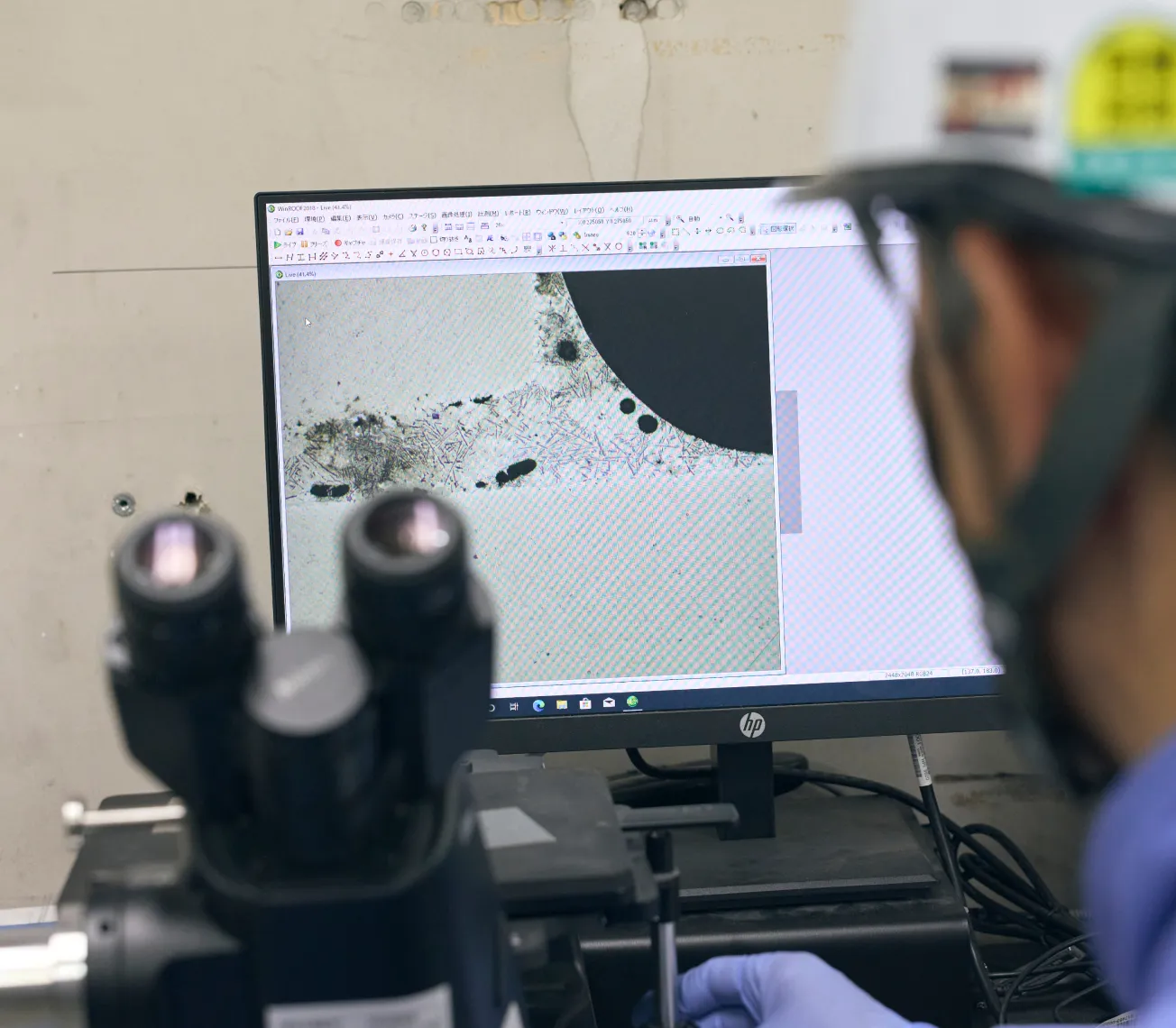
The turning point came during joint verification with a musical instrument manufacturer, who was a customer. At the time, the common belief regarding paste brazing filler metal was that "the more flux (a chemical agent/auxiliary used during metal welding or soldering) there is, the better." However, the development team questioned this conventional wisdom. "We thought, 'Is that really true? Let's try taking it to an extreme once,'" says Mr. M. They proposed a prototype that intentionally had a significantly reduced flux ratio. The result was a success.In fact, the appearance and joint qualty were improved, revealing the potential to resolve conventional issues all at once. That formulation, reached on the third generation of prototypes, determined the direction of development. "That was the first time I had the feeling that 'this will work.'"This achievement led to its first commercial adoption, and it continues to be used for a long time even today. Doubt conventional wisdom and dare to deviate from it. That one step created a major breakthrough.
05/05
Toward further advancement
The Toyal Hyper Braze completed in this way brought about definite changes to the production floor. A significant reduction in brazing defects, the realization of new designs, and quality stability during mass production—the effects extend to many areas.It has even come to be regarded on the production floor as a"magic paste"for reducing defects. "Of course, it's not magic, but I think we've reached a level close to it," Mr. M says quietly. However, development does not end here. As the shift to EVs and the high-functionality of products progress, the performance required of joining technology will continue to increase. There is no end to the challenges, such as responding to more complex shapes and stricter conditions. Toward materials that realize optimal joining regardless of application or form. That evolution will continue. The challenge of supporting invisible quality is still quietly progressing inside the furnace.
Related Products

Brazing pastes: Toyal Hyper Braze®
Regarding technology and products
Contact Us
Please feel free to contact us for inquiries regarding our technology and products, or to request samples.