Toyo Aluminium
Innovation
Innovation
Ending the
"too heavy to install" problem.
Solar panels that
break through roof constraints!
~What is the development of "lightweight panels" that
achieved half the weight of conventional ones?~
Many people want to introduce solar power, but often give up because their "roof cannot support the weight." Especially with existing buildings like factories and warehouses, the weight of the panels has been a bottleneck, making installation impossible. The "lightweight panels" proposed by Toyo Aluminium are about half the weight of conventional solar panels while maintaining power generation performance and durability. How did they overcome the conventional wisdom that "making things lighter makes them weaker"? We take a look behind the development that brought new possibilities to roofs where installation was previously impossible.
01/05
"The roof won't hold"—that was where the conversation always ended.
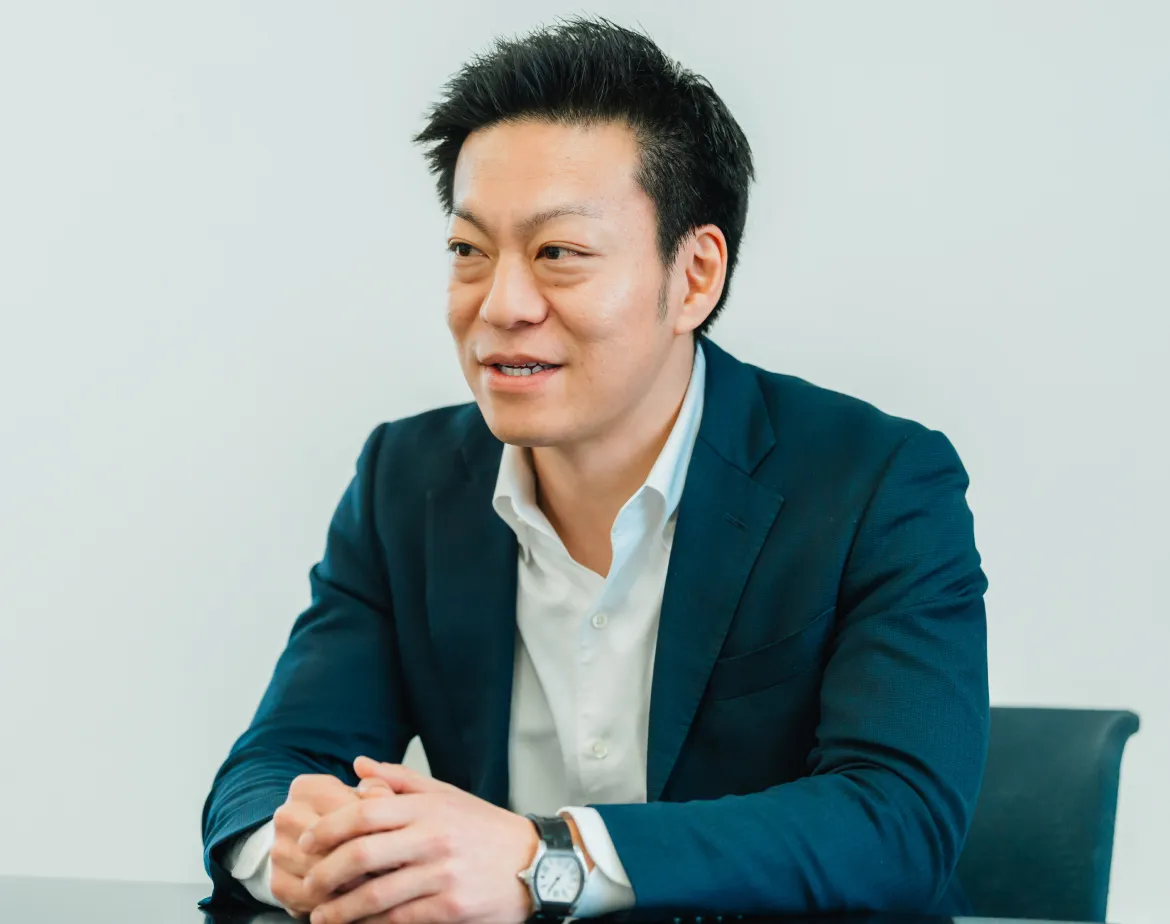
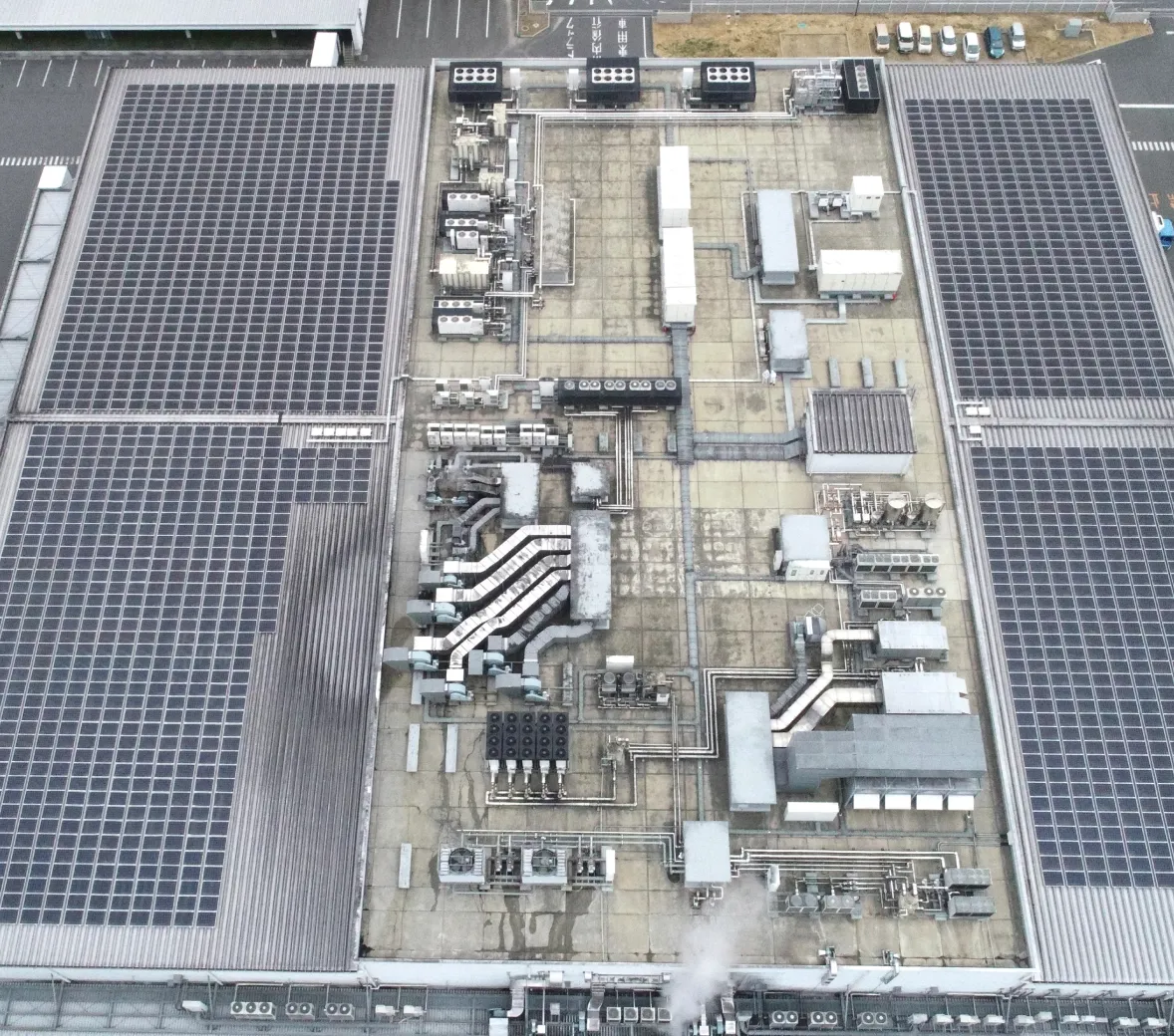
Installing solar panels on the roofs of factories and warehouses sounds simple at first glance, but in reality, many cases stall at the very first stage. The biggest factor is the roof's load-bearing capacity limit. While a roof's load-bearing capacity is generally considered to be around 10 kg/m², conventional solar panels weigh about 12 kg/m². This slight difference has often determined whether or not installation is possible. "There were so many projects that ended with the conclusion that it was mathematically impossible to install them," recalls a representative from New Business Creation Division at Toyo Aluminium.
Despite the potential benefits of introducing power generation equipment, such as reducing utility costs and CO₂ emissions, a situation where companies "want to install them but cannot" was emerging everywhere. Before technology even came into play, the "physical constraint of weight" stood as a major barrier.
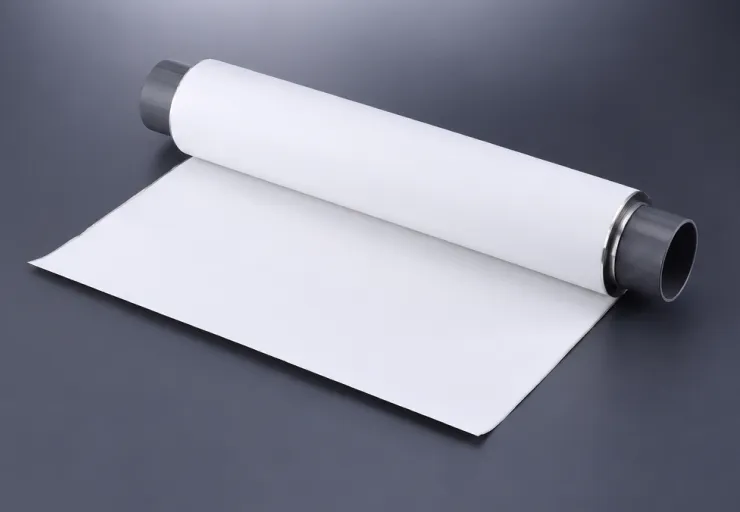
In fact, Toyo Aluminium has a track record of over 30 years in the solar-related business. It was precisely because of the expertise cultivated in the materials field, such as backsheets for solar panels, that they were able to tackle the difficult challenge of "lightweighting" head-on.
02/05
Why not reinforce it? The cost becomes the barrier.
So, would reinforcing the roof itself solve the problem? Theoretically, yes, but in reality, it is not that simple. Reinforcement work costs millions of yen and extends the construction period. As a result, business profitability often worsens, making investment decisions difficult. On the other hand, lightweight panels existed in the market, but they were often passed over because of concerns about their durability despite being light. "Lightweight alone does not move the site," says Mr. M. What was needed was not just lightness. It was a realistic solution that simultaneously satisfied strength, reliability, and cost.
Development was by no means smooth. The technical team continued to search for the optimal material composition while repeating prototypes. The key was the "back sheet" used on the back of the panel.
Adopting lighter materials could reduce weight. However, that alone would result in insufficient strength. Conversely, prioritizing durability would increase costs, making the product unviable. How to balance the three conditions of "lightness," "strength," and "cost"? Finding that balance was the most difficult part. They requested samples from various material manufacturers, actually modularized them, and repeated performance evaluations. They said they repeatedly verified things like "this strength is weak" and "it's meaningless unless it's lighter." They pursued not just simple weight reduction, but "weight reduction that can be used on-site."
03/05
Lightness or strength? An unavoidable trade-off.
In the design of solar panels, weight reduction and strength are inherently in a trade-off relationship. Making them lighter tends to reduce their resistance to wind pressure, snow accumulation, and impact. On the other hand, prioritizing strength increases weight. A particularly major challenge was the presence of glass. The glass portion of a solar panel accounts for a significant amount of its weight, and while thinning it would reduce the weight, it would also increase the risk of reduced strength.
This is where Toyo Aluminium focused on backsheet technology. The company has a long track record of developing and supplying backsheets for solar panels. At one point, they held over a 50% global market share, accumulating know-how regarding material composition and durability design. "Even if we use thin glass, we can maintain strength by innovating the material on the back side. That was the major concept," says Mr. M. By combining a uniquely structured high-strength backsheet with thin glass, they cleared the difficult challenge of being "light yet strong."
04/05
Half the weight, with equal or better performance.
Born from this trial and error was a lightweight panel with a completely overhauled structural design. By adopting thin glass and redesigning the balance of components, among other innovations, the weight was reduced to 5.9 kg/m², approximately 50% of the conventional weight. Despite this, wind pressure, snow load, and impact resistance performance were all maintained.
Furthermore, we focused on ease of installation. The mainstream method for installing typical solar panels involves securing the surrounding aluminum frame with metal fittings. However, many lightweight panels on the market require special installation methods, such as adhesive types. Such methods were a high hurdle for contractors. In fact, Toyo Aluminium initially aimed for further weight reduction by adopting a rubber frame. However, after receiving feedback from the field that it was "difficult to install," we changed our policy. We dared to sacrifice a little weight to switch to an aluminum frame structure that can be installed using standard methods. "Construction companies dislike it when the installation method differs from what they are used to. But our product can be handled just like a regular panel. We were very conscious of that."
This "field-oriented" design provided peace of mind not only to contractors but also to the companies adopting the product. "With adhesive types, there is sometimes anxiety about whether it is truly safe or if it will blow away. In that sense, the significance of bringing it closer to general construction methods was substantial."
05/05
Bringing solar power options to roofs that couldn't support them.
The advent of lightweight panels has expanded the options for solar power generation to buildings where installation was previously impossible. Initial implementation began with installations at supermarket stores. Some inquiries were prompted by newspaper articles, and awareness gradually spread.
However, the product could not be introduced immediately upon completion. Initially, the construction network was insufficient, and collaboration with mounting system manufacturers had to be built from scratch. "It doesn't end with just saying 'it's light, so it's good.' It's meaningless unless it's viable including the installation," recalls Mr. M. In fact, they repeatedly verified the process while visiting sites with mounting system manufacturers, sometimes having to start over after realizing, "This method won't work after all." They repeated trial and error with multiple manufacturers before finally reaching the implementation stage.
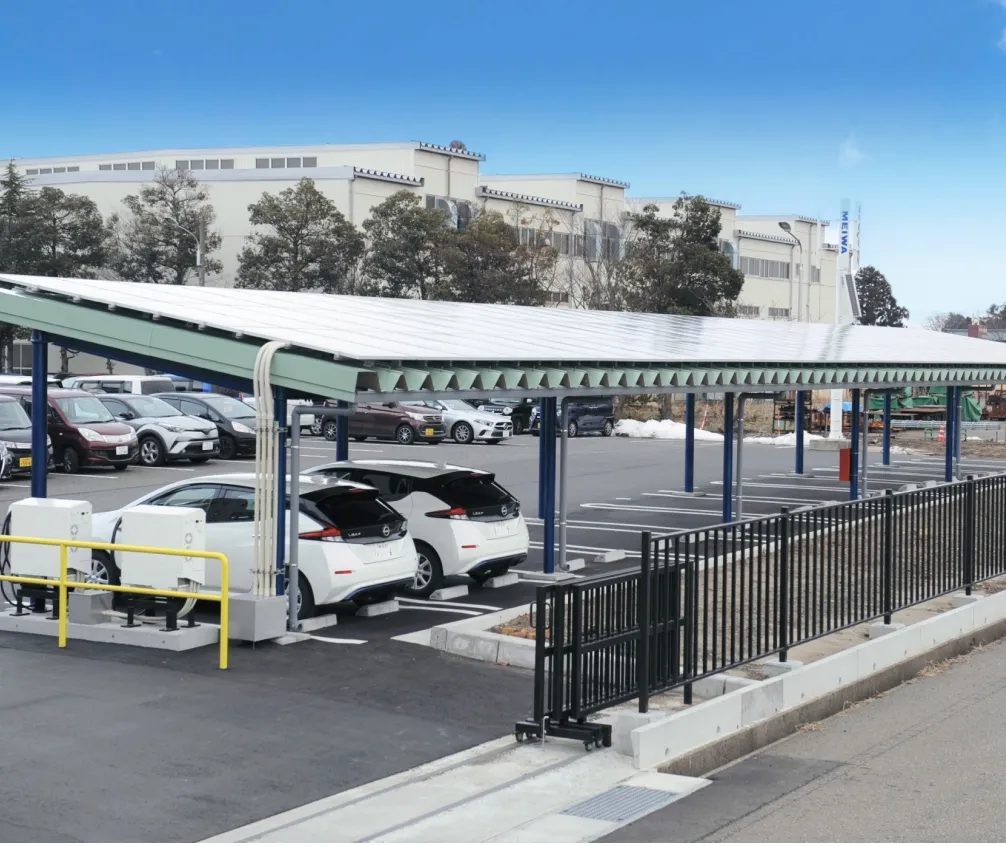
Currently, a system is being established that allows for a relatively short period from introduction to installation. Furthermore, expansion has begun not only within Japan but also overseas. In Thailand, there is a case of installation on a parking lot roof. Lightweight panels have the potential to be introduced in places that were previously difficult due to weight constraints. "Our strength is, after all, 'lightness.' We want to further expand our proposals in the future," Mr. M said emphatically.
Related Products

Hane®Module Light-weight Solar Panel
Regarding technology and products
Contact Us
Please feel free to contact us for inquiries regarding our technology and products, or to request samples.